
If you’re reading this, you’re probably someone who has invested considerable time learning about Japanese culture. You’ve studied the language, understood the social customs, and perhaps even mastered the writing systems. You’ve prepared thoroughly, convinced that your knowledge will help you integrate better than the average tourist.
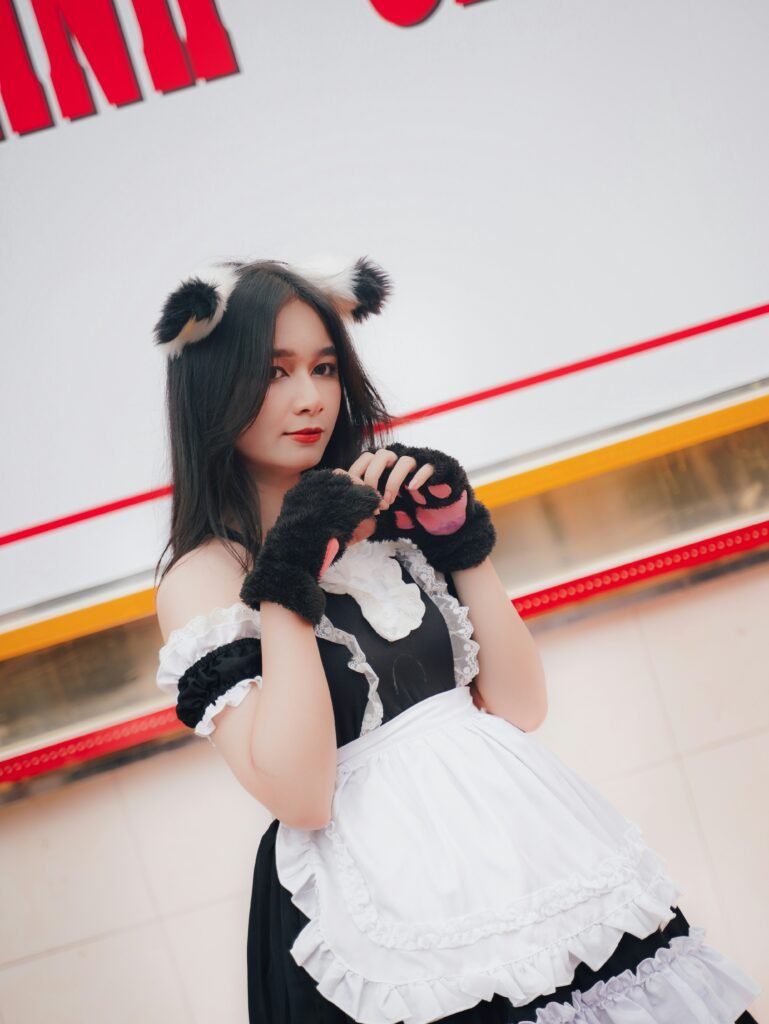
However, those of us passionate about Japan—whether we identify as otaku or simply enthusiasts—often become the most conspicuous foreigners once we arrive. And it’s not due to our language skills or cultural knowledge. It’s something more fundamental that we’ve overlooked while focusing on other aspects:
How we dress.
The Fashion Culture We Overlooked
Here’s what many of us miss: Japan places extraordinary importance on fashion and personal presentation. It’s one of the world’s largest markets for luxury brands, where even everyday workers pay careful attention to fabric quality and garment construction. Japanese craftspeople approach clothing with the same dedication and precision that mangaka bring to their art.
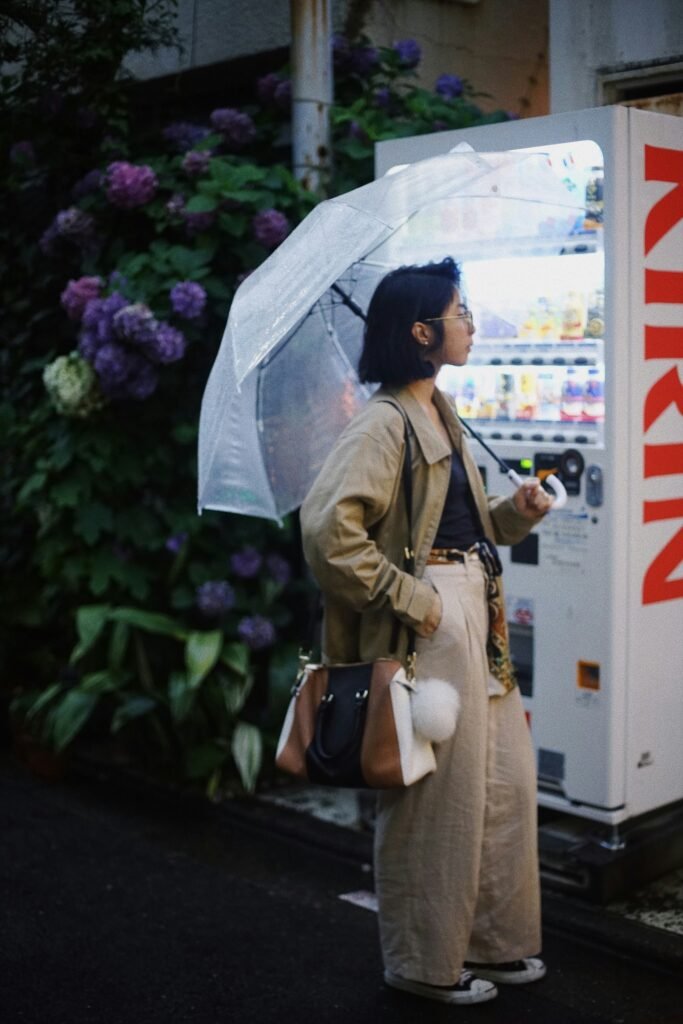
But there’s an interesting cultural dimension here—dressing well in Japan isn’t about personal vanity or status. It’s directly connected to the concept of consideration for others (思いやり, omoiyari) that we’ve studied. People dress thoughtfully because they want to contribute to a pleasant environment and to avoid causing visual disruption. It’s consideration expressed through appearance.
This often contrasts with how many Japan enthusiasts approach clothing. For many of us, fashion has been secondary to other interests—comfort and practicality taking precedence over style.
Understanding Appropriate Dress in Japan
Rather than completely overhauling your wardrobe, here’s what’s worth understanding:
Cleanliness and simplicity are fundamental. While anime merchandise might seem like a way to show your interests, it’s better reserved for specific contexts like conventions. For daily wear, clean clothes in neutral colors work best. Japanese fashion tends toward conservative choices—modest coverage and subdued patterns that don’t demand attention.
Fragrance requires restraint. Strong cologne or perfume can be considered inconsiderate in close quarters like trains. The subtle scent of clean laundry is preferable and more culturally appropriate.
Grooming standards differ. Most Japanese men maintain a clean-shaven appearance. If you prefer facial hair, keeping it meticulously trimmed shows respect for local standards and helps avoid uncomfortable reactions.
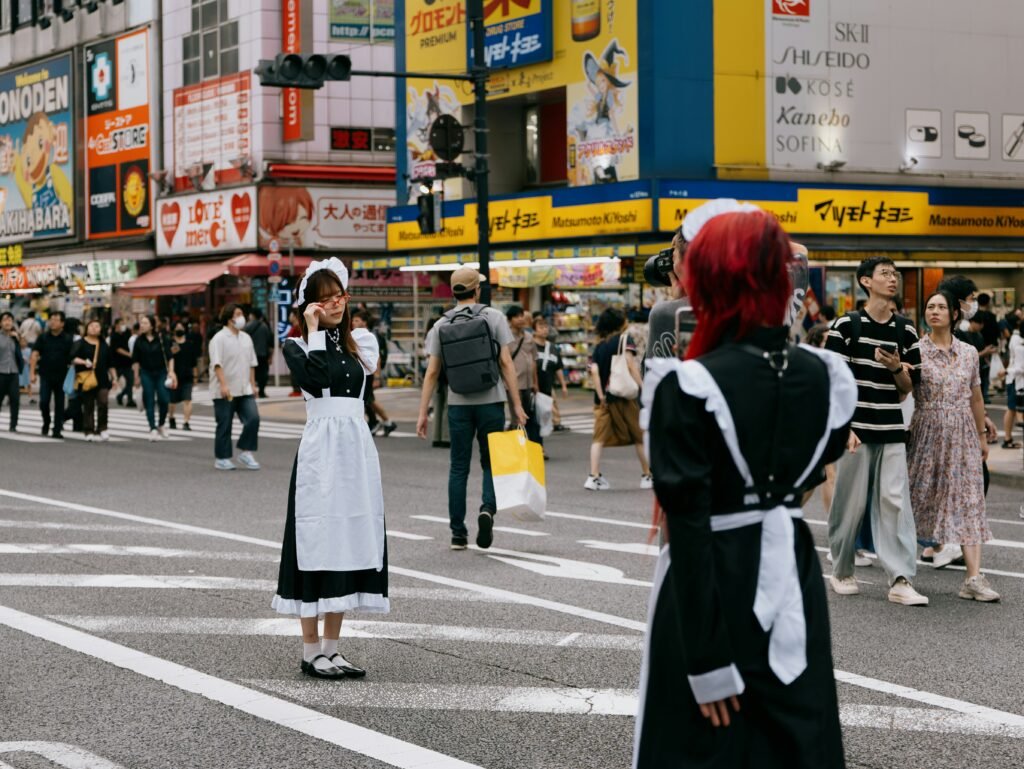
Costumes have their place. Despite what pop culture might suggest, wearing cosplay (コスプレ) or anime-inspired clothing on the street isn’t common. When you see costumes in public, it’s usually someone working—promoting a business or event.
Why This Matters More Than Expected
Here’s an uncomfortable truth: if you notice people maintaining distance on public transport or in social situations, it might not be xenophobia. Your appearance might be sending unintended signals that make others uncomfortable.
Many visitors misinterpret these reactions as discrimination when the issue is actually about conforming to unspoken dress codes. Understanding this can prevent misunderstandings and improve your experience significantly.
Practical Guidelines
Here’s what works consistently well:
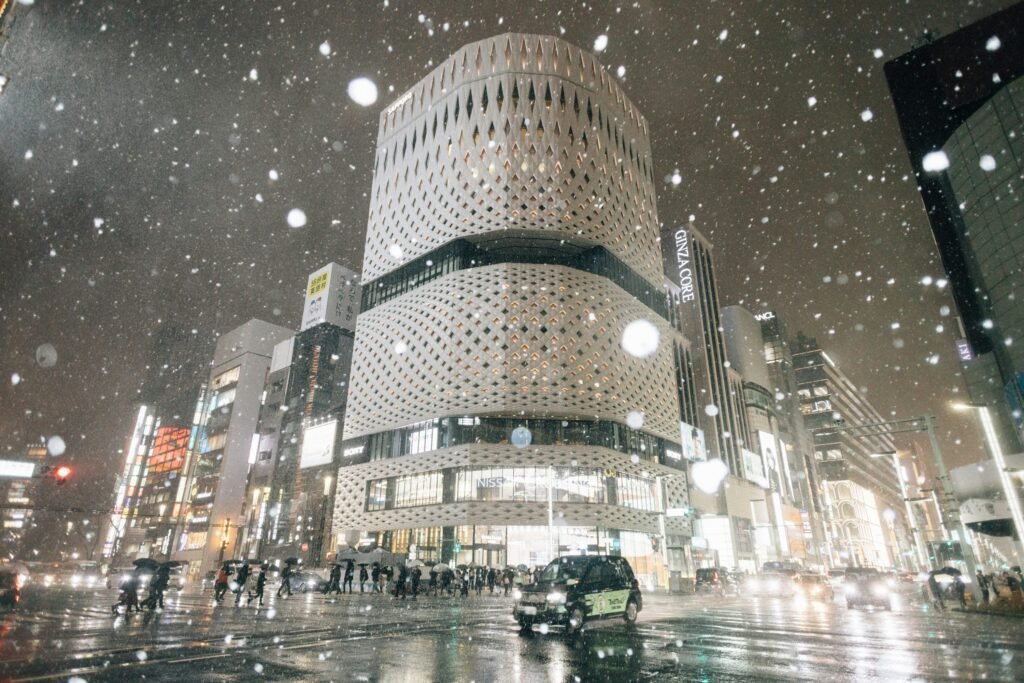
Prioritize function while maintaining presentation. Japan’s climate varies dramatically—humid summers, rainy seasons, and cold winters. Choose appropriate clothing for the weather, but ensure it’s clean and presentable. Wrinkled or overly casual clothing immediately identifies you as a tourist, regardless of its practicality.
Neutral colors are always appropriate. Black, white, navy, gray, and beige work in any context. These colors help you blend in while you’re still learning the nuances of local fashion.
Remember the fundamental principle: Clean clothing matters more than brands or price. A simple, neat outfit from an affordable store creates a better impression than expensive but poorly maintained designer wear.
Final Thoughts
Those of us who love Japan didn’t develop that passion through fashion—we connected through stories, language, history, and culture. But genuine cultural appreciation means respecting all aspects, including how personal presentation functions as social communication.
This isn’t about abandoning your identity or spending excessively on clothes. It’s about demonstrating respect through effort—showing that you value the comfort of those around you enough to present yourself thoughtfully.
Consider it another aspect of cultural fluency, as important as language or etiquette. You might even discover, as many have, that paying attention to appearance enhances rather than detracts from your experience in Japan.
Leave a Reply